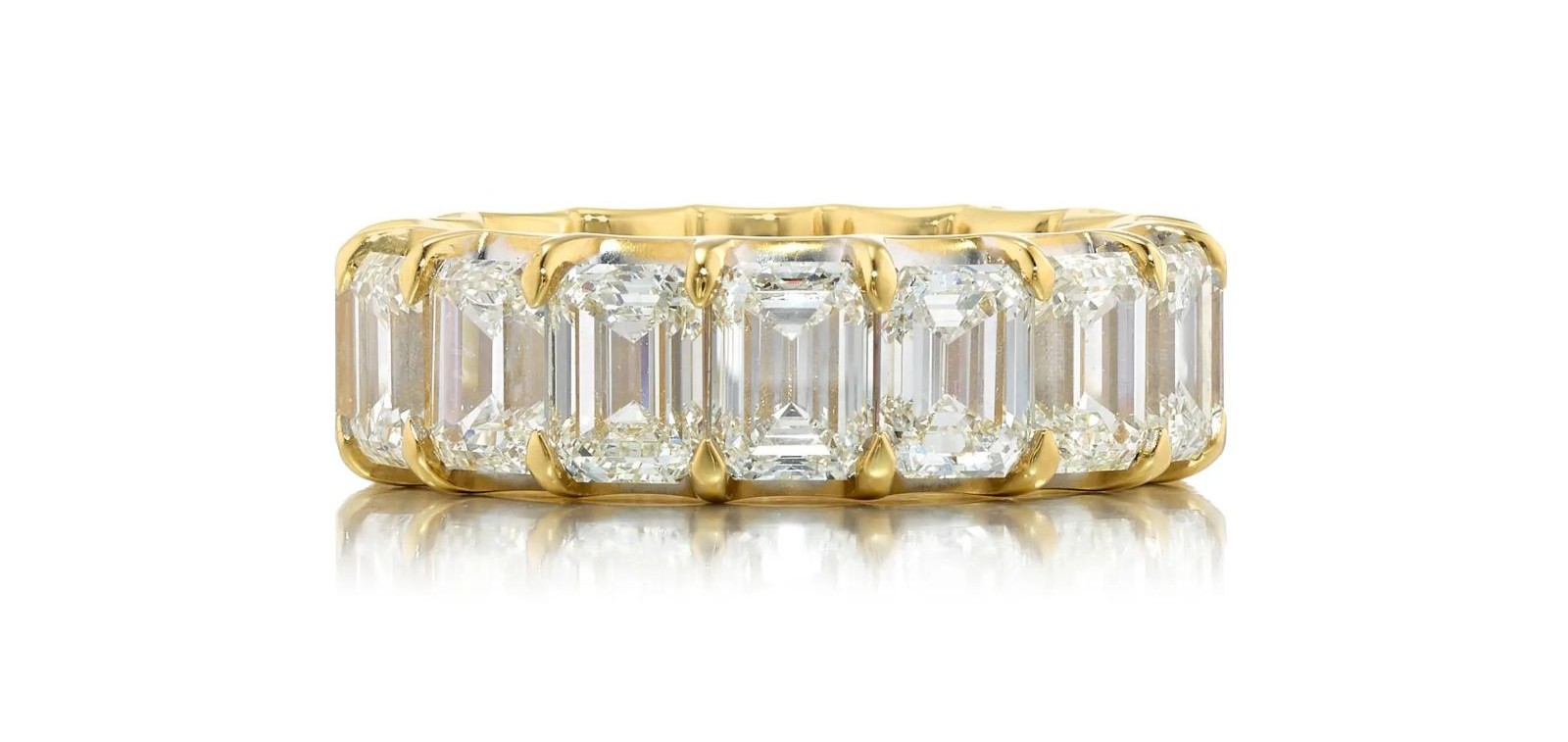
At first glance, an earth-mined diamond and a lab-grown diamond look exactly the same—and that's because they are. Both are made of pure crystallized carbon and share the same hardness, brilliance, fire, and chemical composition.
So how can you tell them apart?
The answer is that, in most cases, you can't with the naked eye or even a standard jeweler's loupe.
Scientific Testing Makes the Difference
Professional gemological laboratories use advanced instruments to identify a diamond's origin. These tests may include:
- Diamond screening instruments that analyze how the diamond reacts to ultraviolet light.
- Spectroscopy, which detects subtle differences in the crystal growth patterns created during formation.
- Photoluminescence testing, which examines the diamond's internal structure at the atomic level.
- Microscopic examination, where trained gemologists look for growth features characteristic of natural or laboratory-grown diamonds.
Many lab-grown diamonds are also laser inscribed on the girdle with wording such as "Lab Grown" or a laboratory report number, although not every stone will have an inscription.
Why It Matters
Natural and lab-grown diamonds are both genuine diamonds, but they have different market values. Because of this, accurately identifying the origin of a diamond is essential for insurance appraisals, estate settlements, resale, and equitable distribution.
At CN Appraisals, we use professional gemological testing equipment and industry-standard identification methods to determine whether a diamond is earth-mined or lab-grown. When necessary, we also recommend laboratory testing for definitive identification.
Knowing exactly what you own ensures your jewelry is properly documented and valued with confidence.